The Elevador de Santa Justa lifts passengers 45 metres from the Baixa up to the Carmo ruins, and the queue at its base regularly runs an hour. Walk instead up Rua do Carmo, through Largo do Carmo, and you reach the upper walkway and the same view from the top of the lift on foot, in ten minutes, without a ticket. The viewing platform above the machinery is the only part that is charged separately.
Lisbon is full of arrangements like this. The city is built on hills, the ways up them are half tourist attraction and half public transport, and knowing which is which saves the day.
Tram 28, and the honest warning about it
The 28 is a working tram line that happens to pass through Graca, Alfama, Baixa, Chiado and Estrela in one route, using wooden Remodelado cars built in the 1930s. It is genuinely lovely and it is also the most heavily worked pickpocket route in Portugal, to the point where Carris posts warnings inside the cars.
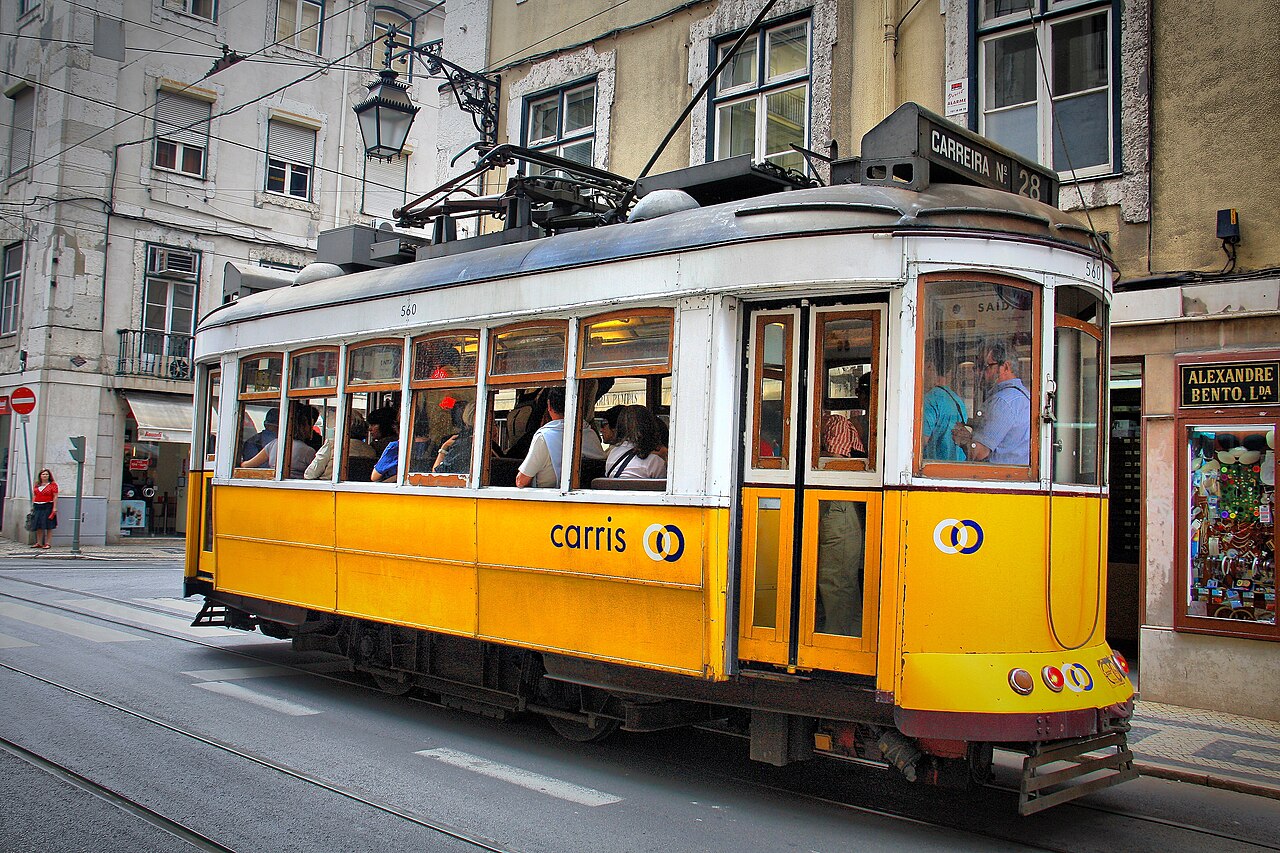
Board at Martim Moniz, which is the eastern terminus, before half past eight in the morning. Later than that and you will stand for the whole route with your bag against three strangers, which is exactly the arrangement thieves need.
Tram 12 covers a shorter loop through the same old streets and is usually half empty. The 15 runs west to Belem, is modern, and is where most of the day’s distance gets covered.
Buy a Viva Viagem card at any metro station and load it with a day pass. Paying the driver in cash costs roughly three times the card fare per ride.
Alfama, which has no street plan
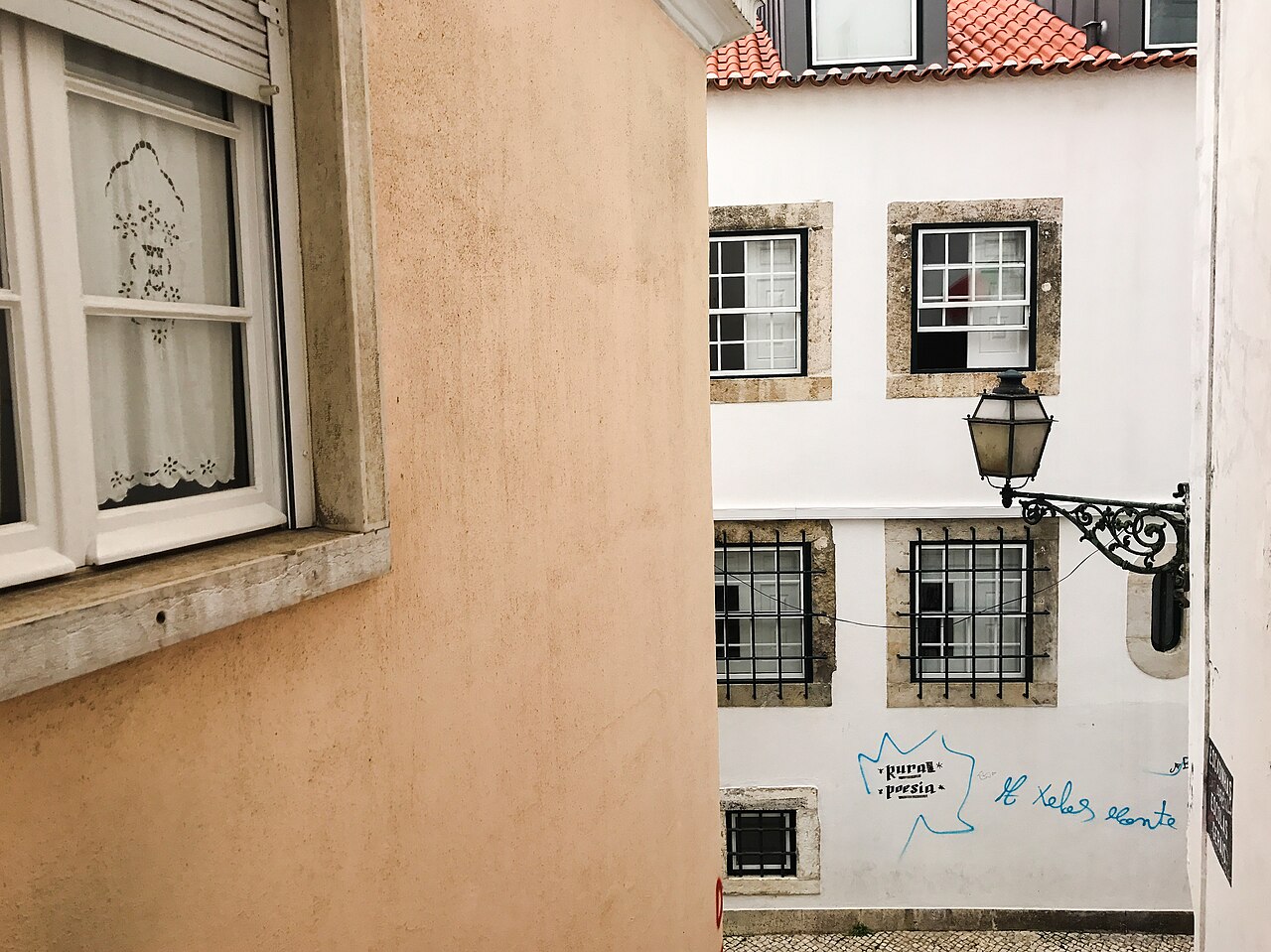
Alfama is the Moorish quarter and the oldest part of the city, and the reason it looks nothing like the rest of Lisbon is the earthquake of 1 November 1755, which destroyed most of the lower town and the buildings that stood on softer ground. Alfama sits on rock and largely survived.
The streets are stairs as often as they are streets. Nothing here follows a grid, phone navigation is unreliable between the walls, and the sensible approach is to aim upwards towards the castle and let the lanes decide the route.
Two viewpoints anchor it: the Miradouro de Santa Luzia with its tiled panels and bougainvillea, and the Miradouro da Senhora do Monte higher up, which is the highest in the city and considerably less crowded.
Laundry hangs across the lanes because most of these flats have no space for it inside. It is not staged for photographs, and the people who live behind it have opinions about being photographed.
Belem, and the queue that actually matters
Belem is six kilometres west, twenty minutes on tram 15 or the train from Cais do Sodre. Three things sit within a few hundred metres of each other: the Jeronimos Monastery, the Torre de Belem, and the pastry shop.
The monastery is late Gothic Manueline work, financed by the tax on the spice trade, and Vasco da Gama is buried in the lower choir. Entry to the church is free; the cloister is ticketed, and the cloister is the part worth paying for. It closes on Mondays, as does the tower.
The Pasteis de Belem shop has been making its custard tarts to the same recipe since 1837, in a back room that only a handful of employees are allowed to enter. There are two queues: one on the street for takeaway boxes, which can be forty minutes, and one for the seated rooms inside, which is often shorter and where you can eat them at the correct temperature, still warm, dusted with cinnamon.
Take the second queue. And a note on the name: what the rest of Portugal calls a pastel de nata is called a pastel de Belem only here, because the shop holds the name. The difference between the two is real but small, and every Lisbon resident has a rival bakery they will defend at length; Manteigaria in Chiado is the one most often named, and it makes them in front of you behind a glass wall.
Lunch at the Time Out Market, with a caveat
The southern half of the Mercado da Ribeira was taken over in 2014 and turned into a hall of counters run by named Lisbon chefs. It is busy, loud and good, and it is one of the few places in the city where you can eat cooking from several serious kitchens in one sitting.
The northern half of the same building is still the original produce market and has been since 1892, trading from six in the morning. Almost nobody who eats in the food hall walks through the door to look at it.
Seats are shared and communal, and at half past one on a Saturday there are none. The trick regulars use is to send one person to hold a place at a table while the others queue at the counters, because the counters and the seating operate as separate problems. Lunch service peaks between one and three. If you arrive at half past eleven the hall is calm, most counters are already serving, and you will eat the same food in a quarter of the noise.
Fado in the evening, and how to tell the real thing
Fado is on the UNESCO intangible heritage list and it is not background music. In a proper fado house the lights drop, conversation stops, and photographs and talking during a song are firmly stopped by the staff.
The tourist version exists, with a set menu, a fixed showtime and a coach outside. The way to tell them apart is the timetable: real fado starts late, often after ten in the evening, runs in sets with breaks, and the singers move between houses during the night.
Casa de Linhares and Tasca do Chico in the Bairro Alto sit at the two ends of the price range, and the second charges nothing to walk in.
One last climb, if there is light left
The Castelo de Sao Jorge occupies the top of the Alfama hill and charges for entry to the walls and the grounds. Whether it is worth it depends on the hour: in the middle of the day it is a hot walk to a view you can get for nothing from Senhora do Monte, and in the last hour before closing, with the light going orange over the Tagus and the peacocks settling into the trees, it is one of the better hours available in the city. Sunset closing times shift by season, so the last admission is the number to check.
The other Portuguese city worth a day is Porto, three hours north on the Alfa Pendular train.
Book the trip you have just read about
These are the companies we use ourselves, and what each one is actually good at.
| Provider | Best for | Go to provider |
|---|---|---|

|
Hotels & apartments The widest choice of places to sleep, and the Genius discount starts on booking number one. Read our Booking.com review | Check hotel prices at Booking.com |

|
Flights Live fares from airlines and booking sites side by side, one-click booking, and a refund guarantee you can add to any ticket. Read our Soar review | Check flight prices at Soar |

|
Whole homes A front door of your own, with a kitchen and a washing machine, for a weekend or a month. Read our Airbnb review | Check homes at Airbnb |

|
Luxury hotel perks Breakfast for two and a 4pm checkout at more than 1,900 hotels — if you hold the card. Read our American Express Travel review | See the hotels at American Express Travel |

|
Flight + hotel packages Flight, hotel and car in one basket, on one bill, with one rewards balance across three brands. Read our Expedia Group review | Check package prices at Expedia Group |

|
All-inclusive holidays Plane, hotel, transfer and excursions under one contract, with one number to call when it goes wrong. Read our TUI Group review | Check holiday prices at TUI Group |

|
Small-group tours Groups capped at around twelve, led by somebody who lives in the country you are walking through. Read our Intrepid Travel review | Check tour prices at Intrepid Travel |

|
Tailor-made itineraries A route drawn for you alone, by a company that has been drawing them since 1758. Read our Cox & Kings review | Request a quote at Cox & Kings |

|
Reviews & things to do Check what other travellers actually found, before the money leaves your account. Read our Tripadvisor review | Read the reviews at Tripadvisor |