The city fishes between 12,000 and 15,000 bicycles out of its canals every year. A boat with a crane works its way along the water, drops a grab, and pulls up frames that were dumped, stolen, or ridden off a quayside at three in the morning. There are more bikes in Amsterdam than people.
That figure is the shape of the day here. This is a small city, about 940,000 people, laid out in a half-circle you can cross on foot in half an hour, and almost everything in it is arranged for people moving under their own power rather than for cars or for coaches.
One booking to make before anything else, because it cannot be fixed later. The Anne Frank House sells every ticket online in timed slots released about six weeks ahead, and it operates no ticket desk at all. Visitors still turn up on Prinsengracht and are turned away.
Why the houses lean, and how to read a canal in five minutes
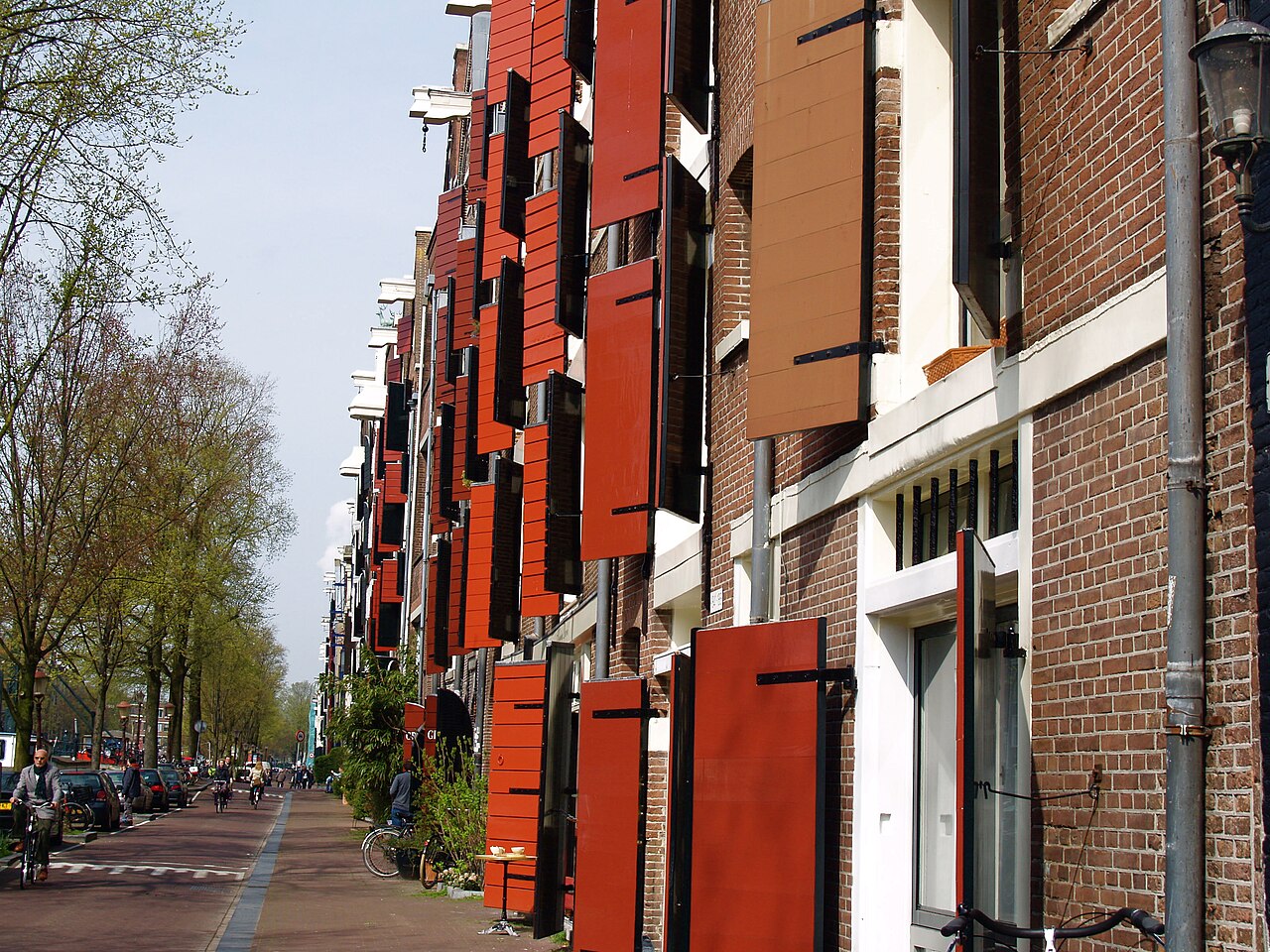
Amsterdam’s canal ring, the Grachtengordel, was dug from 1613 onwards and has been on the UNESCO list since 2010. Property tax was levied on frontage width, so merchants built narrow and deep, which is why the facades are thin and the houses run back thirty metres or more. The narrowest front on record, on Singel, is barely wider than a door.
Look up and you will see a hook or a beam projecting from almost every gable. Staircases inside are too tight to carry furniture, so everything from a sofa to a piano goes in through the windows on a rope, and the beams are not decorative: removal firms still use them, and you will see one working if you spend a full day in the centre.
Many buildings tilt forward on purpose, a few degrees, so that a load on the hoist clears the facade instead of scraping it. Others lean sideways, and that is not on purpose. The whole city stands on wooden piles driven into peat, and when the water table drops, the piles rot and the house settles.
The Rijksmuseum, and the one room worth a queue
The Rijksmuseum opens at nine every day of the year, including holidays, and closes at five. That daily nine o’clock start is the single most useful fact about it: for the first hour the Gallery of Honour is quiet enough to stand in front of the Night Watch without negotiating for a sightline.
Rembrandt’s painting has been in and out of restoration in public view, and the museum has for several years kept the conservation work visible behind glass rather than hiding it. Whether the frame is there on your visit is luck.
The building has a cycle path running straight through its ground floor, a passage the city refused to let the architects close during the ten-year renovation. It is the only museum in the world you can ride a bike through. The pedestrian tunnel beside it, with its buskers, is also where a good many people take shelter when the weather turns, and it turns often.
Next door on the Museumplein, the Van Gogh Museum also sells timed online tickets only, and it fills earlier in the day than the Rijksmuseum does. Both are on the same square as the Stedelijk, which means three world-class collections within four minutes of each other and no realistic chance of doing more than one properly in a single day. Pick one. The visitors who try to do two spend most of the afternoon in cloakroom queues.
Lunch in De Pijp, away from the centre
The Albert Cuypmarkt runs Monday to Saturday, from about nine in the morning until five in the afternoon, and it closes on Sundays. It is a working street market rather than a food-hall attraction: household goods, fabric, fish, cheese, and stalls selling stroopwafels pressed while you wait, which is a different object entirely from the packaged version in the souvenir shops.
Herring is sold from carts across the city. The Dutch way is raw, with chopped onion and pickle, held by the tail or served in a soft white bun called a broodje haring, and the season for the new catch, Hollandse Nieuwe, starts in June.
De Pijp is a twenty-minute walk south from the museums, or four stops on tram 24.
Getting around, and the mistake almost every visitor makes
Do not rent a bicycle on your first day. Amsterdam’s cycle lanes carry commuters at speed, the right of way rules are unforgiving, and a hesitant tourist wobbling across a junction is a genuine hazard to everyone. Locals are blunt about it, and the bell behind you is not a greeting.
Trams are simple. Since 2023 you can tap a contactless bank card or phone directly on the readers at the doors, in and out, with no need for a paper ticket or the older OV-chipkaart, and the fare is capped per journey. Tram 2 runs from Centraal Station past the Museumplein and is the one route worth riding for its own sake.
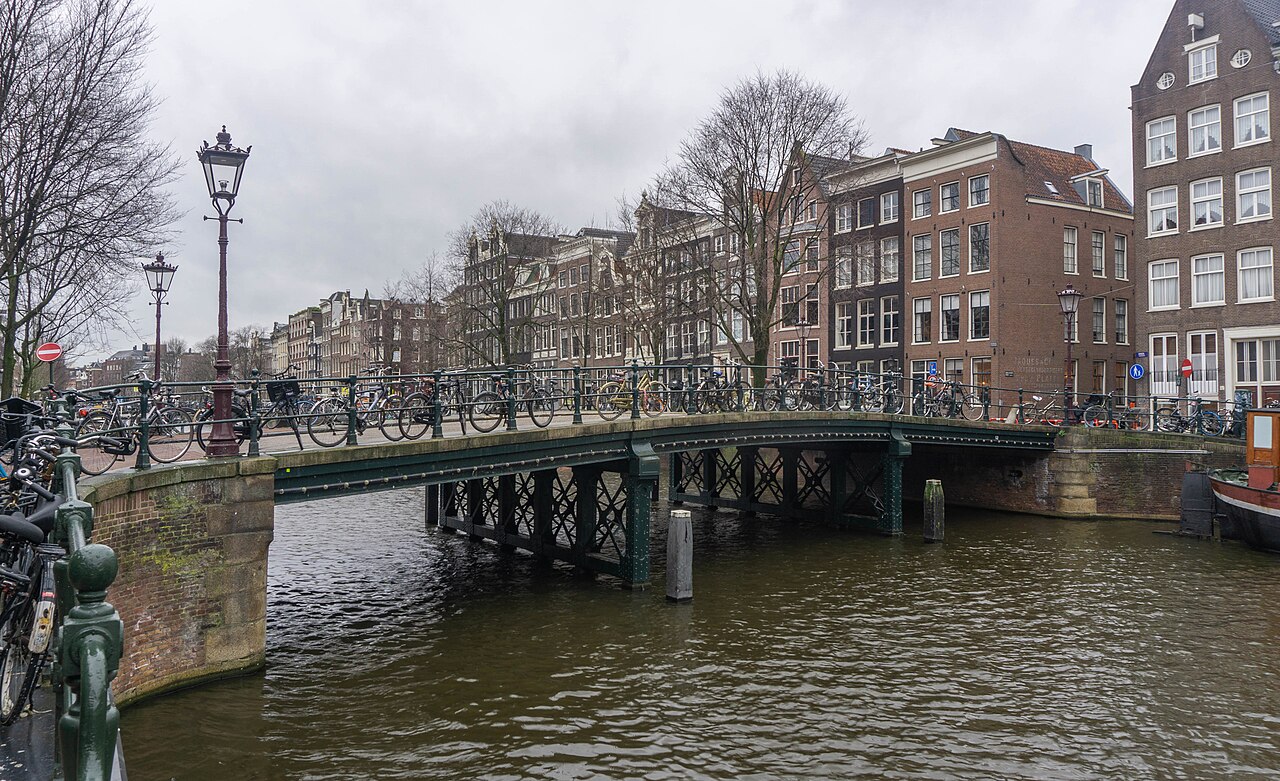
Walking is faster than it looks. Centraal Station to the Rijksmuseum is about thirty minutes on foot, and the whole canal ring fits in an afternoon. The canal boats are the other honest option: an hour on the water covers ground no walking route reaches, and the low bridges force the boats to a height that gives you the waterline view of the houses. Buy at the jetty rather than from the men with clipboards outside the station.
The Jordaan, and the courtyards behind its street doors
West of the Prinsengracht the streets narrow and the buildings drop a storey. The Jordaan was built as a workers’ district in the seventeenth century and gentrified thoroughly in the twentieth, and what survives of the older character is in the brown cafes: dark wood, sand on the floor in a few of them, no music, and a beer poured with a head that will be scraped flat with a spatula.
The hofjes are the quiet find here. These are almshouse courtyards, built by wealthy benefactors from the fifteenth century onwards, tucked behind street doors that look private and mostly are not. The Karthuizerhofje on Karthuizersstraat is open to visitors during daylight hours, and the rule inside is silence, because people live there.
Two notes on the red light district, since most one-day visitors walk through it. Photographing the women in the windows is forbidden and enforced, and organised group tours through the area have been banned since 2020. The city has been steadily discouraging the stag-party trade with fines and earlier closing hours, and the mood on the Wallen after midnight is heavily policed rather than permissive.
If the trip continues by train, Brussels is under two hours south, and Eurostar reaches London in under four.
Book the trip you have just read about
These are the companies we use ourselves, and what each one is actually good at.
| Provider | Best for | Go to provider |
|---|---|---|

|
Hotels & apartments The widest choice of places to sleep, and the Genius discount starts on booking number one. Read our Booking.com review | Check hotel prices at Booking.com |

|
Flights Live fares from airlines and booking sites side by side, one-click booking, and a refund guarantee you can add to any ticket. Read our Soar review | Check flight prices at Soar |

|
Whole homes A front door of your own, with a kitchen and a washing machine, for a weekend or a month. Read our Airbnb review | Check homes at Airbnb |

|
Luxury hotel perks Breakfast for two and a 4pm checkout at more than 1,900 hotels — if you hold the card. Read our American Express Travel review | See the hotels at American Express Travel |

|
Flight + hotel packages Flight, hotel and car in one basket, on one bill, with one rewards balance across three brands. Read our Expedia Group review | Check package prices at Expedia Group |

|
All-inclusive holidays Plane, hotel, transfer and excursions under one contract, with one number to call when it goes wrong. Read our TUI Group review | Check holiday prices at TUI Group |

|
Small-group tours Groups capped at around twelve, led by somebody who lives in the country you are walking through. Read our Intrepid Travel review | Check tour prices at Intrepid Travel |

|
Tailor-made itineraries A route drawn for you alone, by a company that has been drawing them since 1758. Read our Cox & Kings review | Request a quote at Cox & Kings |

|
Reviews & things to do Check what other travellers actually found, before the money leaves your account. Read our Tripadvisor review | Read the reviews at Tripadvisor |