
On 20 May 2026 Brian Chesky presented the Summer Release, and the headline item was a category Airbnb had spent nineteen years not selling: hotels. Boutique and independent properties went live in twenty destinations, among them New York, Paris, London, Madrid, Rome and Singapore, with more cities promised through the year.
It is a genuine change of shape, and it is worth putting next to the number that has not changed. Airbnb still runs more than 8 million active listings in over 220 countries and regions, hosted by upwards of 5 million people, and those hosts have now welcomed more than 2 billion guest arrivals since two of them let three strangers sleep in their San Francisco flat in 2007.
What the eight million are actually for
The listing count is easy to quote and easy to misread.
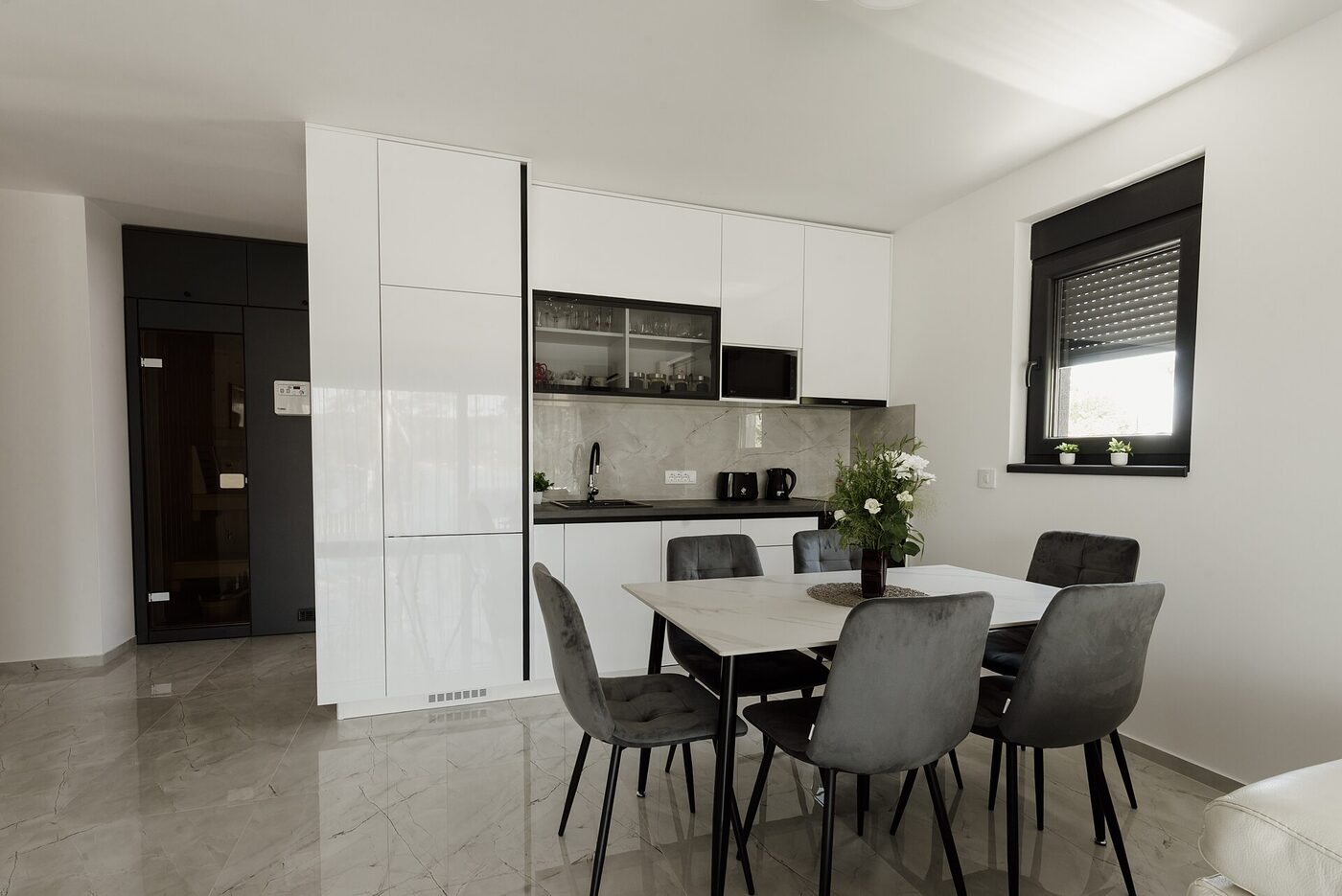
The thing Airbnb sells that nobody else sells at this scale is a whole dwelling: a front door, a kitchen, a washing machine and a room that is not a bedroom. That combination decides the trips it suits. Ten days with two children, a fortnight of remote work from Lisbon, six people who want to cook rather than book a table twice a day, a month somewhere while a flat is renovated. In each case the useful comparison is not against a hotel room’s price but against the cost of eating every meal out and doing laundry in a service wash.
The 220 country and region figure does a different job. It means the platform has depth in places where the branded hotel supply is thin. Small towns are where that difference is widest, and it is the reason a route through rural Portugal or the Peloponnese assembles on Airbnb when it stalls elsewhere.
Experiences, relaunched and then reinforced
Airbnb rebuilt Experiences in May 2025 and put roughly $200 million behind the relaunch and the services alongside it. The catalogue since then has grown in two directions at once: more than 3,000 landmark experiences, including the Tower of London, Tokyo Skytree and the Taj Mahal, and over 2,500 built around food culture.
Then, on 11 August 2026, came the move that mattered more than either number. Airbnb announced a deal to bring Tripadvisor’s experiences onto the platform, which is a fast way to fill a catalogue that had been a year in the rebuilding. Two of the largest inventories in the tours and activities business now feed the same booking screen.
The 2026 release also opened a new category of Airbnb Services, and set car rentals, a redesigned homepage and several app features to arrive later in the summer. A note on reading any of this: features in an Airbnb release go live by country in stages, so what a traveller sees depends on where the account is registered.
Where the platform is strong, and where it points elsewhere
Our score is 4.5 out of 5. The basis is the scale stated at the top, now widened by the hotel inventory, which closes the one gap a traveller used to feel when a trip mixed a week in an apartment with two nights in transit.
Airbnb is a marketplace of hosts, and the character of a stay follows from that. The person who answers the message owns the flat, sets the check-in time and decides how flexible the departure hour can be. When it works, and at this volume it usually does, it gives a traveller something a chain cannot: a local with an interest in the visit going well.
Guaranteed late checkout, a manned desk at three in the morning and a room upgrade written into the booking are a different kind of promise, made by the property rather than by an individual. Travellers who want that written down before arrival tend to book through American Express Travel or a chain hotel on Expedia, and the two ways of buying a night are not really in competition.
Practical notes before booking
Three things repay attention on the listing page. The cleaning fee is charged once, so it lands hardest on short stays and disappears into the nightly rate on long ones, and the weekly and monthly discounts many hosts set follow the same arithmetic in the opposite direction.
Cancellation policy is chosen by the host from a fixed set, which means two flats in the same building can have different rules. It sits on the listing page above the reviews. Reading it takes ten seconds and settles the question of how firm the dates really are.
Last, the number of reviews is a better signal than the score. A 4.8 across two hundred stays and a 5.0 across three are not the same information, and the platform shows both.
Fees, categories and hotel availability checked in September 2026.