The walls open at eight in the morning. Between roughly ten and five in July they carry a slow one-way shuffle of several thousand people, on stone that has been in full sun since dawn, with no shade for most of the circuit and one water kiosk. The same walk at eight is nearly empty and about ten degrees cooler.
Everything else about a day here follows from that, because the old town is 300 metres end to end and holds no crowd at all comfortably. The walls, the cable car and the boat to Lokrum all have a right hour and a wrong one, and the wrong one is the same for all three.
The walls
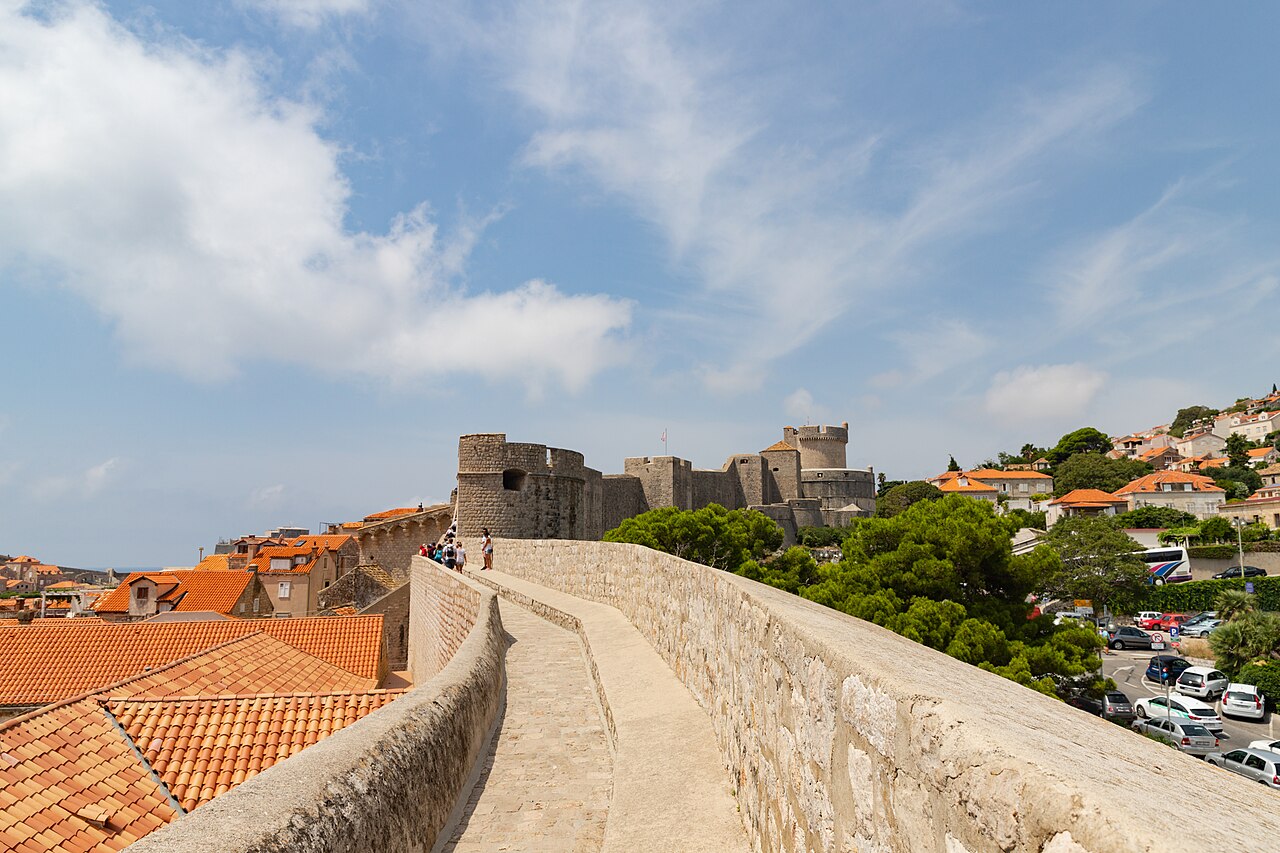
The circuit is just under two kilometres, takes an hour and a half at a reasonable pace, and runs up to 25 metres above the sea. On the landward side the wall reaches six metres thick, because that was the direction the Ottomans would come from.
It is one-way, anticlockwise, and there is no getting off in the middle except at two points. Take water in with you. The ticket is not cheap, 40 euros in the high season from March to October and 15 euros from November to the end of February, on the September 2026 tariff, and it includes Fort Lovrijenac outside the walls.
What you look down on, apart from the sea, is roofs. A great many of them are visibly brighter orange than the rest, and those are the ones replaced after the shelling of 1991 and 1992, when the Yugoslav army fired on the old town from the hills and about two-thirds of the buildings inside were hit.
The heaviest day was 6 December 1991.
There is a small exhibition on the roof damage in the Sponza Palace, with a map of every hit marked, and it is two rooms rather than a museum. The war memorial next to it lists the defenders of the city by name and by year of birth, and the years of birth are what people stop at.
The republic that ran itself
Dubrovnik was Ragusa, an independent maritime republic from the fourteenth century until Napoleon ended it in 1808. It stayed independent by paying tribute to whoever was strongest and by being extremely good at diplomacy.
It abolished the slave trade in 1416, which is early, and it ran a quarantine station from 1377, the first documented one anywhere: arriving ships waited thirty days on an island before anyone could land. The word quarantine comes from the later forty-day version.
Above the gate of Fort Lovrijenac an inscription reads that freedom is not sold for all the gold in the world. The rectors of the republic served for one month at a time and could not leave the palace during it, a rule designed to make anyone tired of power very quickly.
Inside the walls
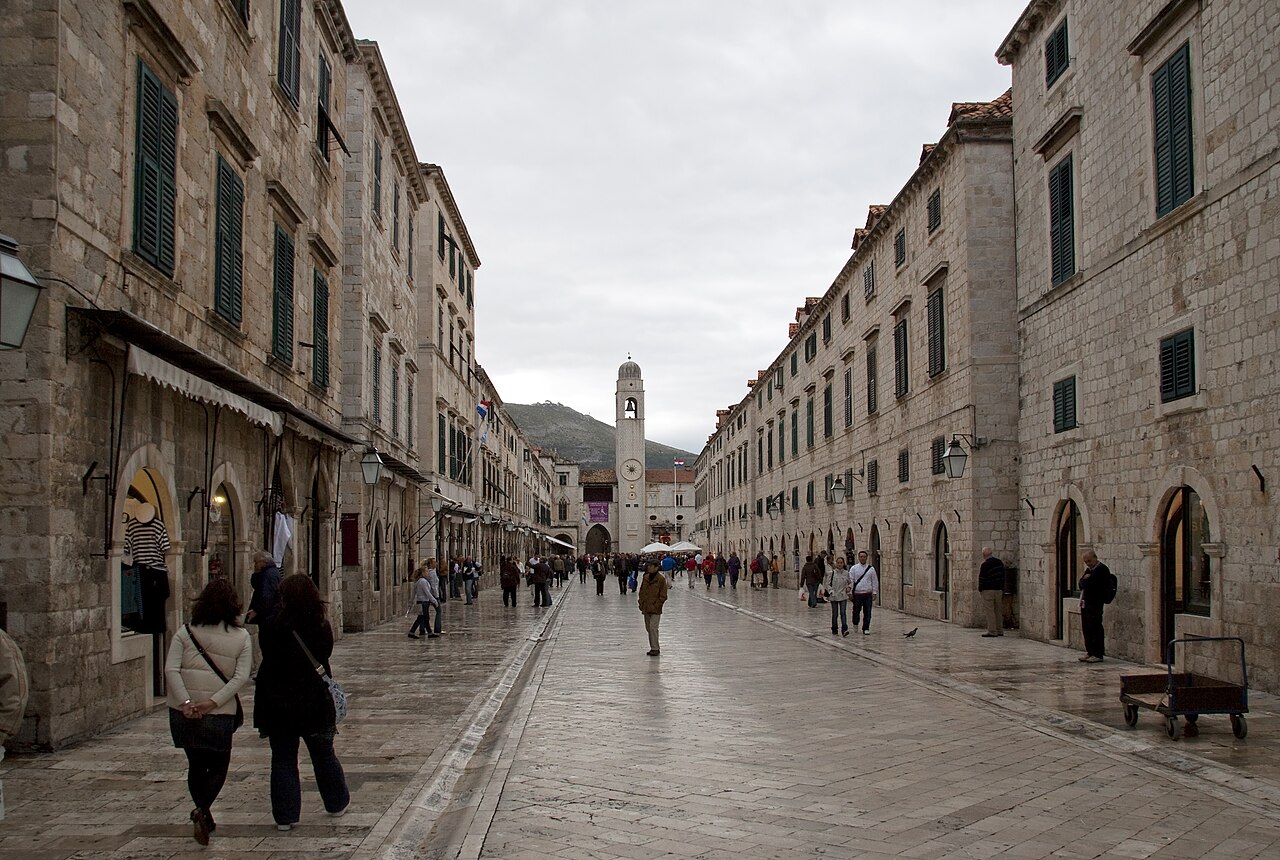
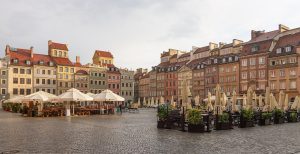
The Stradun runs 300 metres from gate to gate over what used to be a sea channel, filled in during the twelfth century. The buildings along it are uniform because a 1667 earthquake killed several thousand people and flattened most of the town, and the rebuilding was done to a single plan.
The Franciscan monastery a few steps in has a pharmacy running since 1317, which puts it among the oldest still operating in Europe, and a cloister of double columns with a different carved capital on each pair.
The Rector’s Palace, the cathedral treasury and the maritime museum are all small and all take about forty minutes each.
Off the Stradun, the side streets climb in steps, and three or four flights up the tourists thin out and you get laundry, cats and old women on chairs.
Getting out of the crowd
Lokrum is a wooded island ten minutes by boat from the old harbour, with a ruined Benedictine monastery, a small salt lake warm enough to swim in, and peacocks introduced in the 1860s that now run the place. No one is allowed to stay overnight.
The cable car climbs Mount Srđ to 405 metres in four minutes, and the fort at the top held out through the 1991 siege. Sunset from there is the standard photograph and the queue reflects that; walking down takes about an hour on a switchback path with no shade.
Banje beach, just outside the walls, is pebbles and clear water and is charged for in sections. The free stretch is at the far end.
Buža, a bar reached through a hole in the seaward wall, serves drinks on a rock ledge above the water and people jump off it. The drinks are expensive and the position is the reason.
Eating, and the price of a view
Anything with a table on the Stradun charges for the address. Walk two streets back and the same grilled fish costs a third less.
The local things worth ordering are black risotto, coloured with cuttlefish ink, and pašticada, beef marinated for a day in vinegar and wine and then stewed with prunes, served with gnocchi. Oysters come from Ston, an hour up the coast, where they have been farmed in the same bay since Roman times.
Ston is worth the trip in its own right for the salt pans, still worked by hand, and a defensive wall five kilometres long built in the fourteenth century to protect them, which you can walk.
Drink Plavac Mali, the local red, which is a relative of Zinfandel and heavy enough that summer lunch is not the moment for it.
The cruise ship question
Dubrovnik has capped arrivals since 2019 at two ships and around 4,000 passengers a day, after UNESCO warned about the state of the site. The cap helps and does not solve it.
Check a cruise schedule for your dates before deciding when to be inside the walls. The ships dock at Gruž, the passengers arrive in the old town from about nine, and they are gone by six in the evening.
Down the coast and across the water, Venice is the old rival, and Athens the other end of the same sea.
Book the trip you have just read about
These are the companies we use ourselves, and what each one is actually good at.
| Provider | Best for | Go to provider |
|---|---|---|

|
Hotels & apartments The widest choice of places to sleep, and the Genius discount starts on booking number one. Read our Booking.com review | Check hotel prices at Booking.com |

|
Flights Live fares from airlines and booking sites side by side, one-click booking, and a refund guarantee you can add to any ticket. Read our Soar review | Check flight prices at Soar |

|
Whole homes A front door of your own, with a kitchen and a washing machine, for a weekend or a month. Read our Airbnb review | Check homes at Airbnb |

|
Luxury hotel perks Breakfast for two and a 4pm checkout at more than 1,900 hotels — if you hold the card. Read our American Express Travel review | See the hotels at American Express Travel |

|
Flight + hotel packages Flight, hotel and car in one basket, on one bill, with one rewards balance across three brands. Read our Expedia Group review | Check package prices at Expedia Group |

|
All-inclusive holidays Plane, hotel, transfer and excursions under one contract, with one number to call when it goes wrong. Read our TUI Group review | Check holiday prices at TUI Group |

|
Small-group tours Groups capped at around twelve, led by somebody who lives in the country you are walking through. Read our Intrepid Travel review | Check tour prices at Intrepid Travel |

|
Tailor-made itineraries A route drawn for you alone, by a company that has been drawing them since 1758. Read our Cox & Kings review | Request a quote at Cox & Kings |

|
Reviews & things to do Check what other travellers actually found, before the money leaves your account. Read our Tripadvisor review | Read the reviews at Tripadvisor |