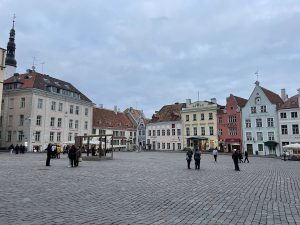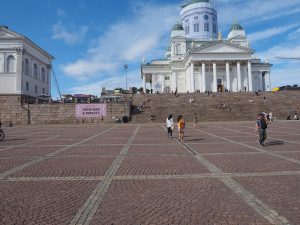
As the world breathes a sigh of relief after the devastating effects of COVID-19, people gradually begin to ease back into their old routines. Children start going to school again, and shopping malls and centers open their doors again. And finally, airline bookings pick up with travelers packing their bags for their long-awaited vacations.
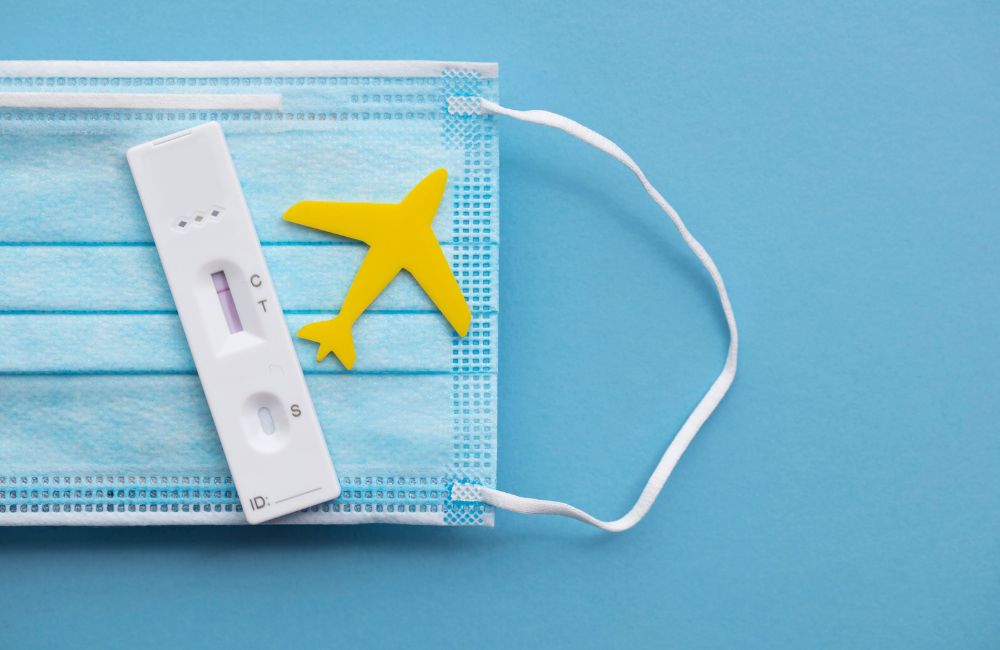
But there’s a significant difference in pre and post-Covid travel. We’re all going to have to adjust to a new normal without the freedom we used to enjoy before Covid. With stringent regulations such as masks, sanitizers, and PCR testing, travel is a lot more stressful with the insistent fear of contracting Covid and emerging diseases such as monkeypox. But after the isolation and trauma we experienced during Covid, nobody is postponing their travel plans because of the now mandatory rules. In fact, there were 250 million international trips in May 2022 as compared to 77 million in May 2021.
If you’re planning your vacations and are plagued with the natural fear and uncertainty after Covid, we can help. We’ve put together some handy information to help you get over the fear and learn about the differences between travel post and pre-Covid.
Read on to find out more.
5 Ways Covid has Affected World Travel and Holidays
1. Improved Safety and Hygiene Standards
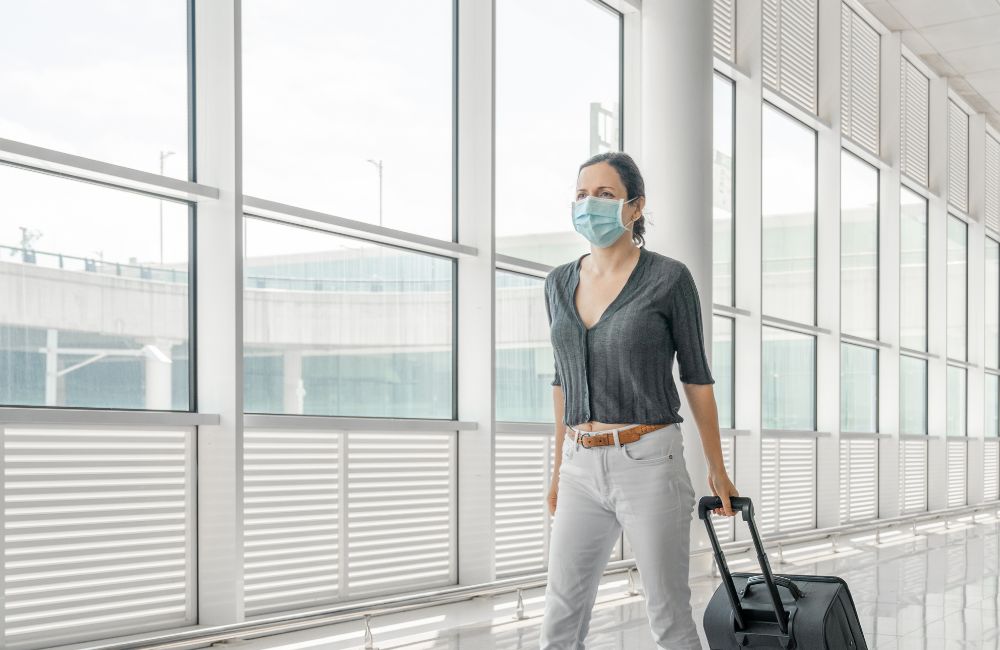
After the pandemic, we’ve become more cautious and aware of safety standards and cleanliness. By maintaining safe distances, using sanitizers, and getting Covid testing before and after travel, we’re not only ensuring our safety but the health of our loved ones. Especially older family members and friends who are more at risk for contracting viral and bacterial infections.
The same applies to hotels, tourist destinations, airplanes, and airports. There is an increased standard of cleanliness with employees, travelers, and airport officials taking strict measures to impose them. From wiping down surfaces, anti-bacterial sprays, and minimizing contact, everyone is working together to ensure safe travel after Covid.
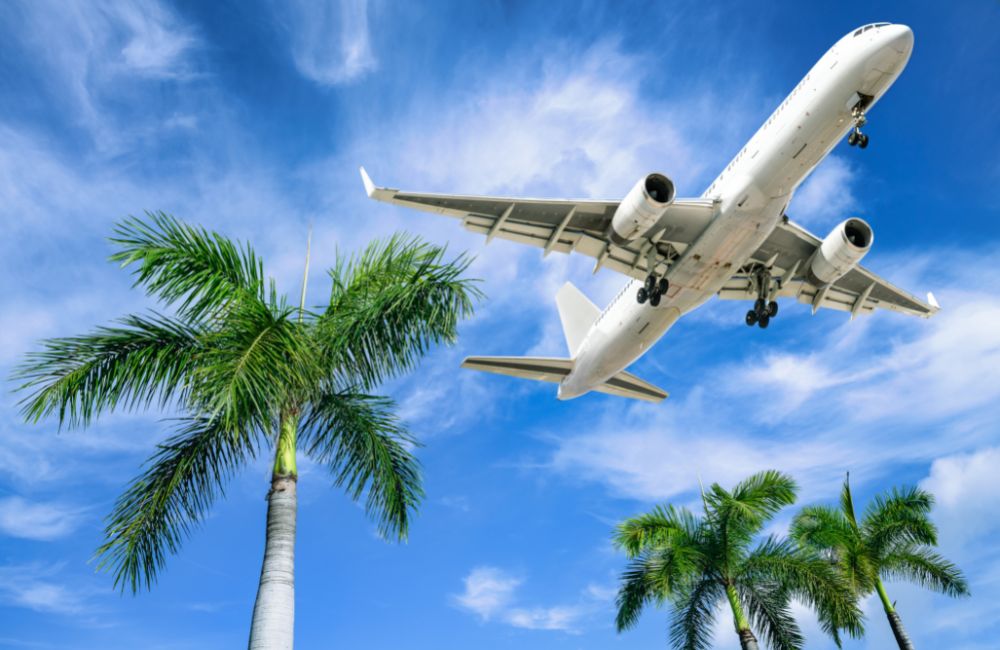
2. The Emergence of New Destinations
Covid has instilled a deep-rooted fear of crowds and contact in people worldwide. Gone is the era when people could move freely in crowded settings and enjoy themselves freely. Now travelers are searching for destinations with fewer crowds and more nature. Rather than preferring indoor or crowded activities, people are choosing localities with fewer people and less risk of contracting any type of virus. It has boosted tourism and trade for lesser-known cities, towns, and villages and exposed the world to diverse cultures and cuisine.
But it doesn’t mean that the most loved destinations like theme parks, water sports, and festivals are disappearing. They’ll bounce back with a few essential changes, such as distancing, precautions, etc., once the world gets over the pandemic.
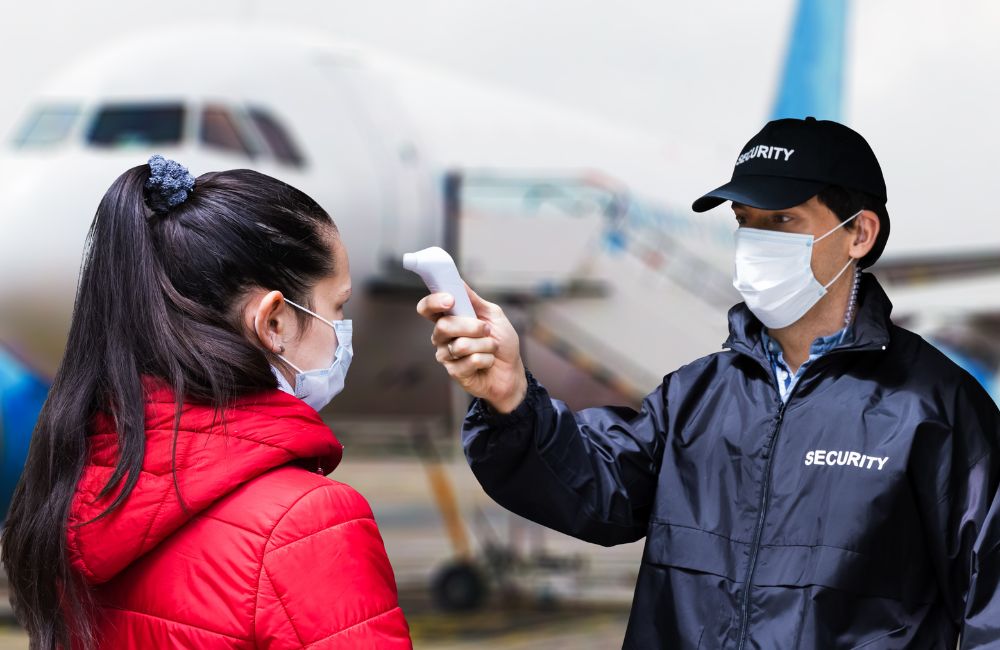
3. Safer Travel is Smart Travel
Another change for the better is people are now more well-prepared for travel, being punctual considering the increased regulations and testing at airports. The flights are booked well in advance with backup plans for any family member who can’t travel. There’s more focus on travel insurance, traveler’s cheques and cards, and preparation for any type of surprise situation. You should also stay up to date with Covid travel restrictions at your local and the international airport you’re headed to. The pandemic has given rise to uncertainty and fear, and travelers want to eliminate as much of it as possible by feeling secure and confident when traveling.

4. Increased Use of Technology
Contactless delivery, automatic transactions, and bookings are now normal during travel. Paper money is a thing of the past because no one wants to touch surfaces that have been exposed to too many people. Travel cards are used more as they give the same convenience as credit and debit cards, allowing you to switch and change currency and make purchases.
There are many apps to use for bookings with QR codes to facilitate travelers anywhere they go. A negative side to this is that smaller, less developed with financial constraints may lose out on tourism because they can’t compete by providing tourists with such facilities.

5. How We Travel
Covid has transformed how we travel by people giving up long trips for shorter ones and using cars instead of planes. Even if you book a flight to your destination, you would prefer to rent a car or select a reputable transport company to take you to the hotel and around the city. People have moved away from public transport with lots of people and incoming traffic. The less contact with surfaces that have been exposed to people, the better, even if it may cost more.
That being said, with the vaccine now being available and the immunity levels going up, international travel has picked up rapidly, with some essential changes, transforming traveling for the better. While there are pros and cons to every situation, humans are one of the most resilient races in the world. We adjust and evolve, adapting and improving when challenged to move towards a better future after the pandemic.
Book the trip you have just read about
These are the companies we use ourselves, and what each one is actually good at.
| Provider | Best for | Go to provider |
|---|---|---|

|
Hotels & apartments The widest choice of places to sleep, and the Genius discount starts on booking number one. Read our Booking.com review | Check hotel prices at Booking.com |

|
Flights Live fares from airlines and booking sites side by side, one-click booking, and a refund guarantee you can add to any ticket. Read our Soar review | Check flight prices at Soar |

|
Whole homes A front door of your own, with a kitchen and a washing machine, for a weekend or a month. Read our Airbnb review | Check homes at Airbnb |

|
Luxury hotel perks Breakfast for two and a 4pm checkout at more than 1,900 hotels — if you hold the card. Read our American Express Travel review | See the hotels at American Express Travel |

|
Flight + hotel packages Flight, hotel and car in one basket, on one bill, with one rewards balance across three brands. Read our Expedia Group review | Check package prices at Expedia Group |

|
All-inclusive holidays Plane, hotel, transfer and excursions under one contract, with one number to call when it goes wrong. Read our TUI Group review | Check holiday prices at TUI Group |

|
Small-group tours Groups capped at around twelve, led by somebody who lives in the country you are walking through. Read our Intrepid Travel review | Check tour prices at Intrepid Travel |

|
Tailor-made itineraries A route drawn for you alone, by a company that has been drawing them since 1758. Read our Cox & Kings review | Request a quote at Cox & Kings |

|
Reviews & things to do Check what other travellers actually found, before the money leaves your account. Read our Tripadvisor review | Read the reviews at Tripadvisor |